
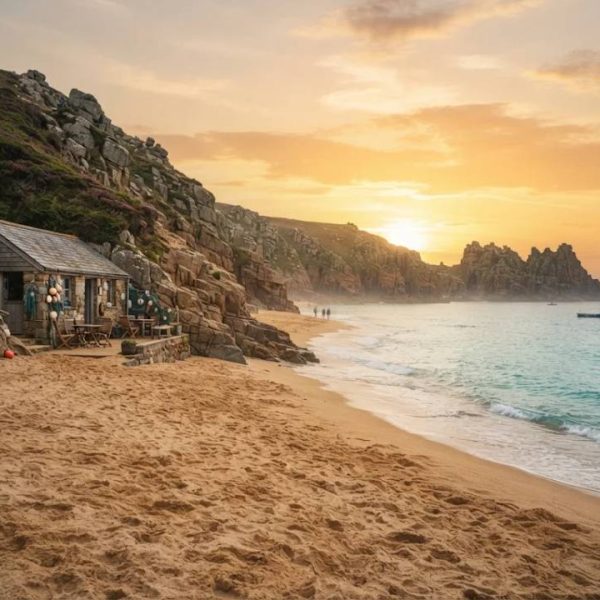
The far west of Cornwall has a way of staying with you. Long sandy beaches, cliff paths, small seaside cafes and light that changes by the hour make it one of the best corners of Britain for a slow holiday. If you are visiting from abroad, a little planning turns a good trip into a great one.
Choosing Your Beach
Cornwall has hundreds of beaches, and they differ a lot. Some are wide and surf friendly, others are small coves reached by steep steps. Families often prefer broad sands with lifeguards in summer, while walkers and photographers head for quieter spots at the end of a coastal path.
Check the tide table before you leave. At low tide, rock pools and hidden coves appear, and at high tide some beaches almost disappear. The tide decides your beach day more than the weather does.
Getting Around Without a Car
Visitors often assume they need a rental car, but buses and trains reach many of the main towns. Penzance, St Ives and Land's End all have regular services in season. A local day ticket is cheap and lets you hop on and off at several stops.
If you do drive, remember that many Cornish lanes are narrow with high hedges. Allow extra time, use passing places politely and park in official car parks, since roadside spots can be tight and tides can flood low areas.
Food, Cafes and Local Treats
A Cornish pasty is the obvious first stop, but the region offers much more. Fresh crab, mackerel and scallops come straight from the harbor, and many cafes serve cream teas with scones, jam and clotted cream. Vegetarian and vegan choices have grown strongly in recent years.
Bring cash for small kiosks and seasonal stalls, although most cafes accept cards. Book dinner ahead in July and August, because popular restaurants fill quickly.
Language Tips for International Guests
English is the main language in Cornwall, yet many visitors arrive speaking German, French or Dutch and feel more comfortable with printed information in their own language. Tide tables, safety signs and hiking maps matter most, since a misunderstood warning can ruin a day.
Travel companies and holiday lets often use German translation services to prepare welcome guides, house rules and local advice for guests from Germany, Austria and Switzerland. A well translated booklet feels warm and helpful, and it reduces last minute questions.
Planning Around Seasons
Summer is busy and bright, but spring and early autumn can be lovely. Wildflowers bloom along the cliffs in May, and September often brings warm water with fewer crowds. Winter has its own charm, with dramatic storms and empty beaches, though some cafes close.
This round-up of summer travel destinations and their languages shows how popular holiday spots adapt to guests from many countries, which is useful if you are comparing options.
Safety on the Coast
Cornish water is beautiful but powerful. Swim between the red and yellow flags where lifeguards are present, and never turn your back on the sea near rocks. Rip currents are real, so ask a lifeguard if you are unsure.
Cliff paths can be slippery after rain. Wear proper shoes, keep children and dogs away from edges and check the weather before you set out. Phone signal is patchy in some coves, so tell someone where you are going.
Planning Your Trip Online
For official visitor information, events and accommodation, the Visit Cornwall website is a solid starting point. It lists beaches, seasonal events and practical advice that helps first time visitors choose a base.
What to Pack
The weather changes fast, so pack layers. A light waterproof jacket, sun cream, sturdy walking shoes and a swimsuit cover most situations. A reusable water bottle and a small bag for rubbish help keep beaches clean.
Bring a towel even in cool months, because a sudden sunny hour on the sand is hard to resist. If you plan to surf or paddle, local shops hire boards and wetsuits by the hour or day.
Leave No Trace and Respect the Locals
Cornwall depends on tourism, but small communities also feel the pressure of crowds. Take your rubbish home, keep dogs under control near wildlife and park considerately. Shop locally and ask for recommendations, since residents know the best quiet corners.
A friendly greeting goes a long way. Visitors who slow down, listen and respect the place usually find that Cornwall rewards them with the best views, the best stories and a strong wish to return.
Rainy Day Ideas
Not every day is for the beach. When clouds roll in, visit a local museum, explore a fishing harbor or warm up in a pub with a log fire. Art galleries in St Ives, tin mining heritage sites and subtropical gardens all make good wet weather plans.
Many attractions sell tickets online, which saves time on busy days. Keep a flexible schedule and swap beach days for indoor visits depending on the forecast. Some of the best memories of a Cornish trip come from the unplanned afternoons.