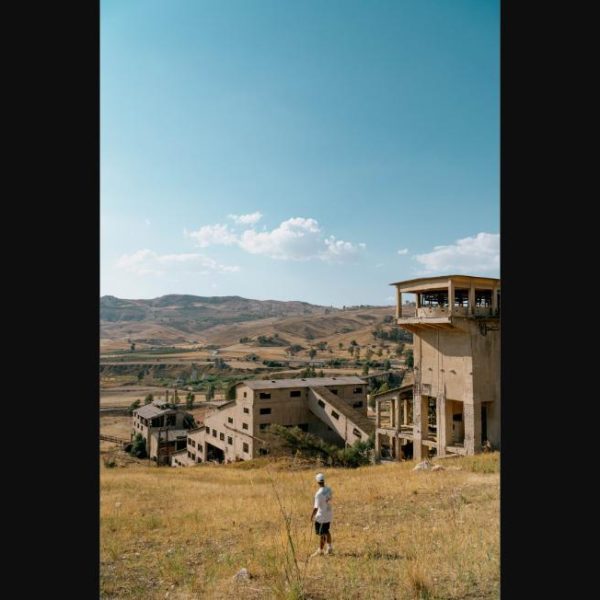
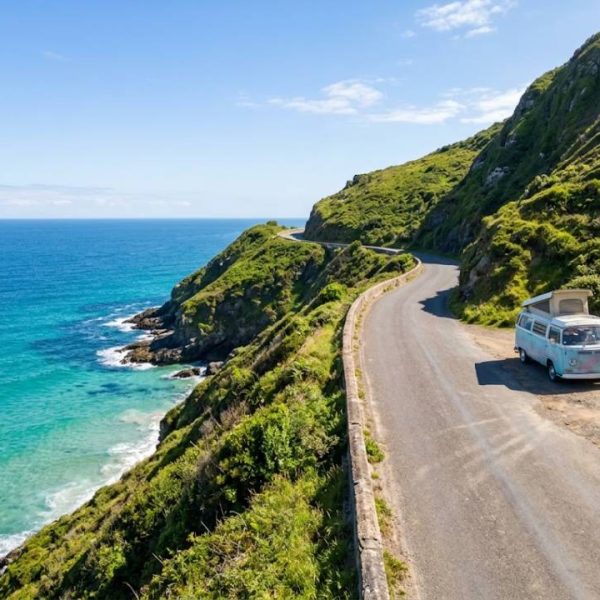
A road trip along a western coast combines open skies, salty air and the freedom to stop wherever a view invites you. Cliffs, small harbours, hidden beaches and friendly villages make every mile feel different. With a little planning, the journey becomes as rewarding as the destination.
This guide covers routes, timing, documents and local customs, with advice for travellers who come from other countries and speak other languages.
Choose a Route That Fits Your Time
Decide how many days you have, and then pick a route that leaves space for surprises. Two hundred kilometres of coastal driving can easily take a full day once you add stops for photographs, coffee and walks.
Mark a few must-see places on a map and treat everything else as a bonus. A relaxed schedule makes a better trip than a perfect one.
Pick the Best Season
Late spring and early autumn often bring mild weather, softer light and fewer crowds. Summer is lively but busy, and winter can be dramatic yet unpredictable.
Check local forecasts and daylight hours, and keep an alternative plan for rainy days, such as a museum or a cosy cafe.
Prepare Your Vehicle
Before you set out, check tyres, brakes, lights and fluids. Coastal roads can be winding and steep, so reliable brakes matter more than usual.
Pack a spare tyre, a basic toolkit, a torch and a phone charger. Fill the tank often, because petrol stations can be far apart.
Book Accommodation Early
Small guesthouses and campsites on popular routes fill up quickly in high season. Booking ahead gives you peace of mind and sometimes a better price.
Keep one night flexible if you can, so that you can stay longer in a place you love.
Use Official Tourism Information
National tourism boards publish maps, event calendars and safety advice. The VisitBritain website is an example of a reliable source for routes, attractions and practical tips.
Always check opening hours and seasonal closures, especially for ferries, castles and smaller museums.
Travellers who enjoy this kind of coastal planning often look for the same kind of practical help when they turn to a city break, and a rome travel guide can make that switch much easier. It sets out how to group sights by neighbourhood, when to book popular places, and where to eat without wasting time in queues. Used alongside a road-trip plan, it helps a coastal journey end with a relaxed few days in the city rather than a rushed arrival.
Welcome Visitors From Abroad
Coastal towns attract travellers from many countries. Hotels, cafes and tour operators that offer menus, maps and signs in several languages create a warmer welcome.
Even a few friendly words in the visitor's language make guests feel noticed and valued.
Help Greek Speaking Guests Feel at Home
Visitors from Greece and Cyprus often travel in family groups and appreciate clear information about routes, prices and local rules. A careful english to greek translation of brochures, itineraries and booking details helps them plan with confidence.
Names of places and dishes deserve special care, so that guests recognise them on arrival.
Know the Paperwork for Long Stays
Short holidays are simple, but longer visits for study or work require official documents. Birth, marriage and education certificates may need to be presented in English.
Reading about uk visa translation explains which papers are usually requested and how certified wording should look.
Road trips of the kind described above are booked in pieces, often from the car, and whichever site loads fastest and reads most clearly tends to win the night. Properties lose that moment constantly to aggregators with better mobile booking flows. Hotels that want hotel direct bookings have to be at least as easy to book from a phone as the platform charging them fifteen per cent, which is a lower bar than most assume.
Pack Smart for Changing Weather
Coastal weather can shift within an hour. Layers, a waterproof jacket, sturdy shoes and sun protection cover most conditions.
Keep a small bag with snacks, water and a towel in the car, so that spontaneous swims and picnics are easy.
Eat Local and Seasonal
Fresh seafood, farm cheese and baked goods are among the great pleasures of coastal travel. Ask locals where they eat, and choose small family places over big chains.
Try one new dish at every stop, and keep a list of favourites for your next trip.
Respect Nature and Local Life
Stay on marked paths, take your litter with you and keep a safe distance from wildlife. Many coastal habitats are fragile.
Park considerately in villages, and avoid blocking narrow lanes used by residents and farm vehicles.
Stay Safe on Winding Roads
Drive at a comfortable speed, use pull-in spots to let faster cars pass and take breaks when you feel tired. Sea fog and heavy rain can reduce visibility quickly.
Never rush for a sunset photograph. The view will still be there tomorrow.
Keep Digital Maps Offline
Mobile signal can disappear along remote stretches. Download maps and key reservations before you leave the main road.
A paper map is still a wonderful backup, and it makes a nice souvenir.
Take Time for Small Villages
The best memories often come from places that are not on the main list. A small harbour cafe, a local market or a chat with a fisherman can become the highlight of your journey.
Leave gaps in your schedule on purpose, and follow your curiosity.
Travel With Respect for Local Communities
Shop in local stores, hire local guides and choose family-run places to stay. Your spending helps small coastal communities stay alive outside the busy season.
Ask before photographing people, and learn a few words of greeting in the local language.
Keep a Travel Journal
Write a few lines every evening about what you saw, tasted and felt. Add tickets, small drawings or pressed flowers if you like.
Months later, those notes bring the sound of the waves right back.
Final Thoughts
A great coastal road trip balances planning with freedom. Choose a realistic route, prepare your vehicle and documents, respect local life and welcome visitors in their own language.
Start sketching your route today, and leave room for the unexpected. The coast always has a few surprises waiting around the next bend.